
10 Things to Know Before Visiting Tucson, Arizona
First Time in Tucson? 10 Things to Know Before You Visit
Tucson is the kind of place that surprises first-time visitors. The Sonoran Desert is greener than many people expect, the mountains are closer than they look, the food scene is worth planning around, and the weather can change your itinerary more than you might think. If you’re planning your first trip to Tucson, Arizona, a little local knowledge goes a long way.
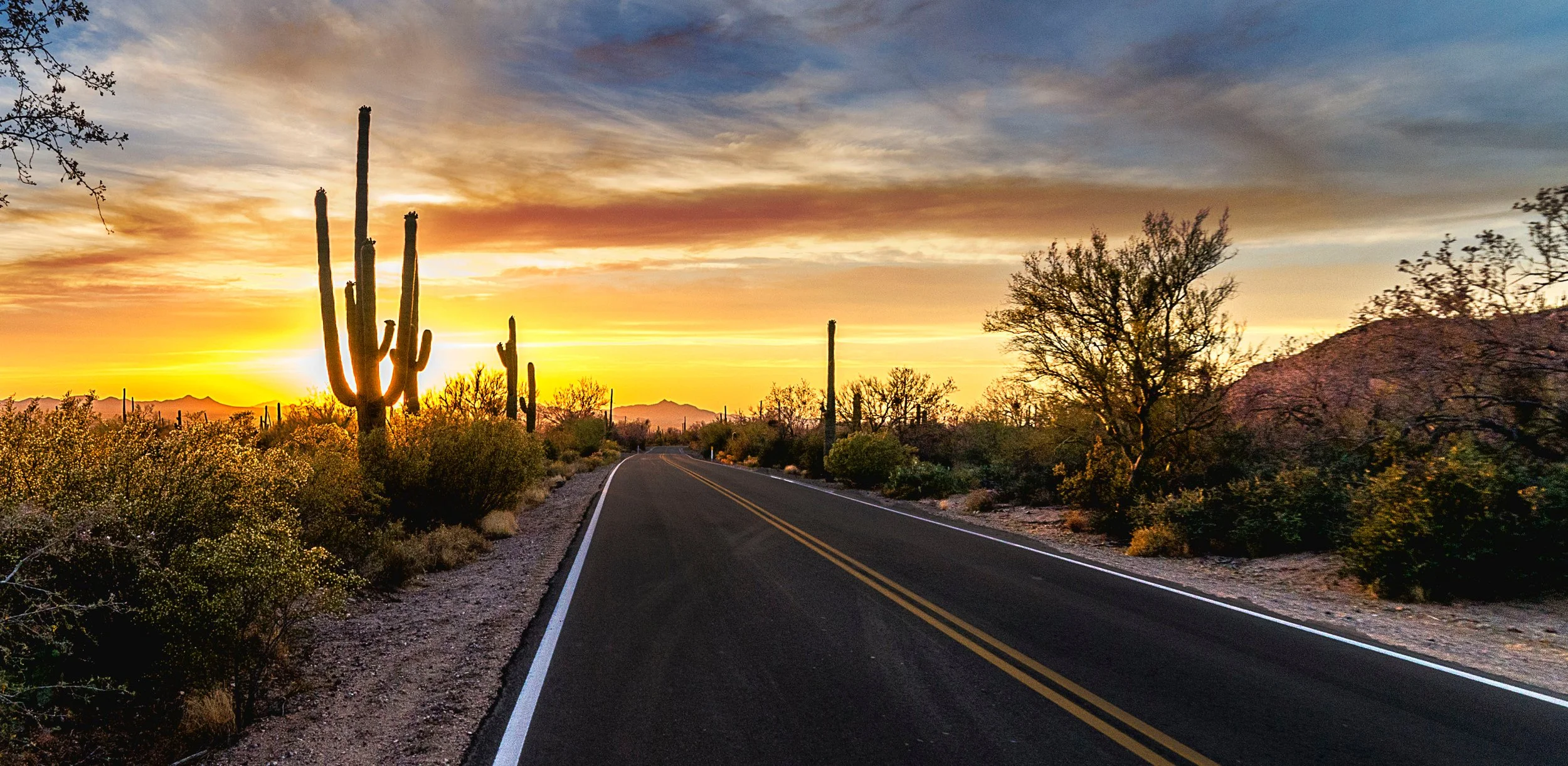
1. Tucson Is a Driving City — But a Little Planning Saves a LOT of Driving
Tucson International Airport (TUS) is served by seven airlines, with one-stop connections to more than 400 destinations worldwide. Phoenix Sky Harbor International Airport is also a popular option, roughly two hours north of Tucson by car. For several reasons, we recommend flying out of TUS even if it means a connecting flight.
Once you arrive, Tucson is more spread out than many first-time visitors expect. Downtown Tucson, Oro Valley, Mount Lemmon, Sabino Canyon, and the east and west sides of Saguaro National Park can all fit into one Tucson vacation—but they do not fit neatly into one corner of town. Most visitors will find a rental car useful, and grouping activities geographically can save you a surprising amount of vacation time.
2. Pack for the Desert, Not Just the Heat
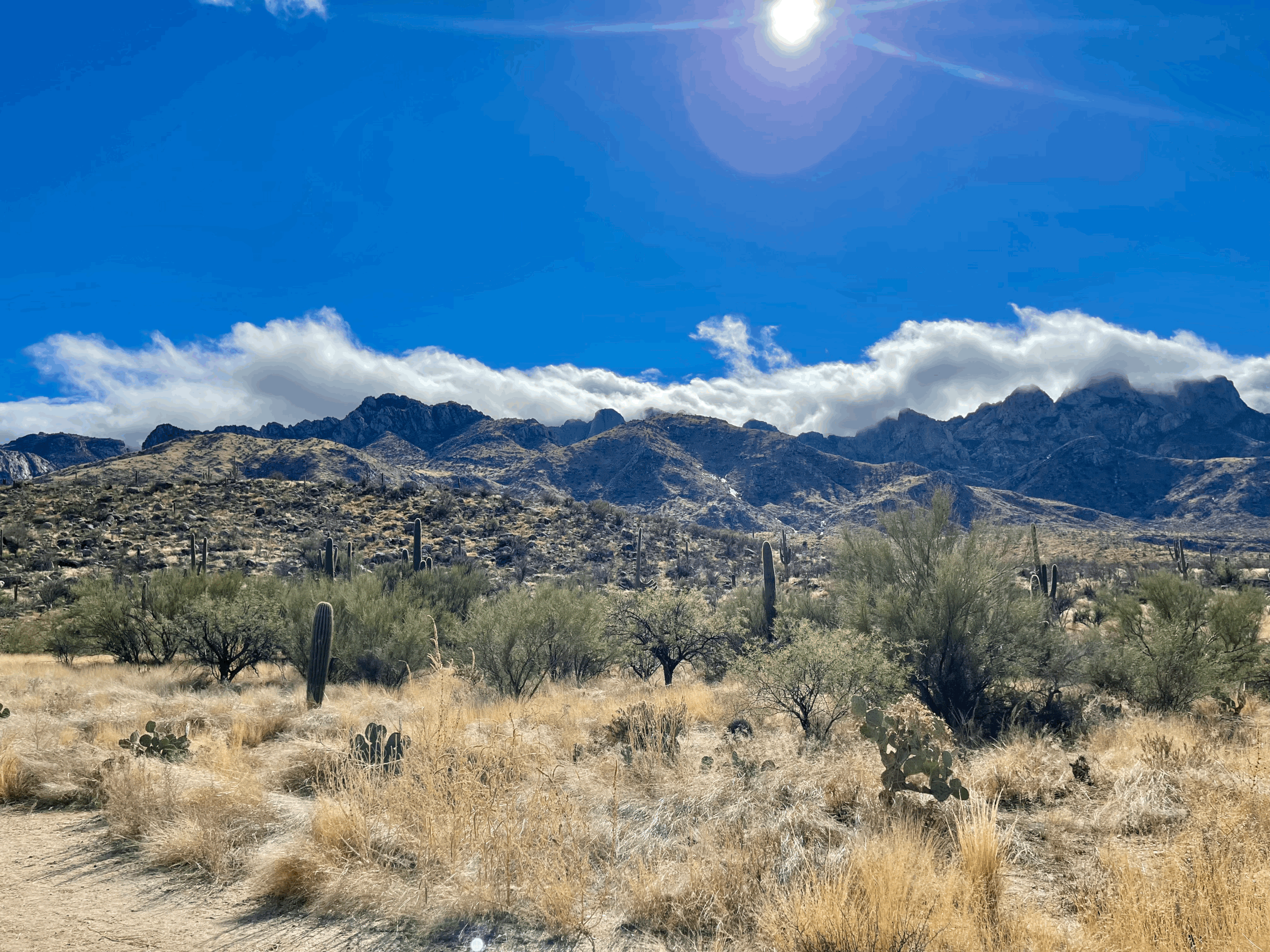
There is no single “Tucson weather.” Winter days can be mild and sunny with genuinely chilly nights, while summer daytime temperatures regularly climb above 100°F. Add spring wildflowers, dry early summer heat, monsoon storms, and glorious fall weather, and suddenly “Arizona = hot” isn’t a particularly useful packing strategy.
A refillable water bottle, high-SPF sunscreen, a hat or other sun protection, and layers belong on the Tucson packing list year-round. Beyond the basics, what you bring depends heavily on when you visit.
3. Meet the Locals: The Sonoran Desert Has Its Own Cast of Characters
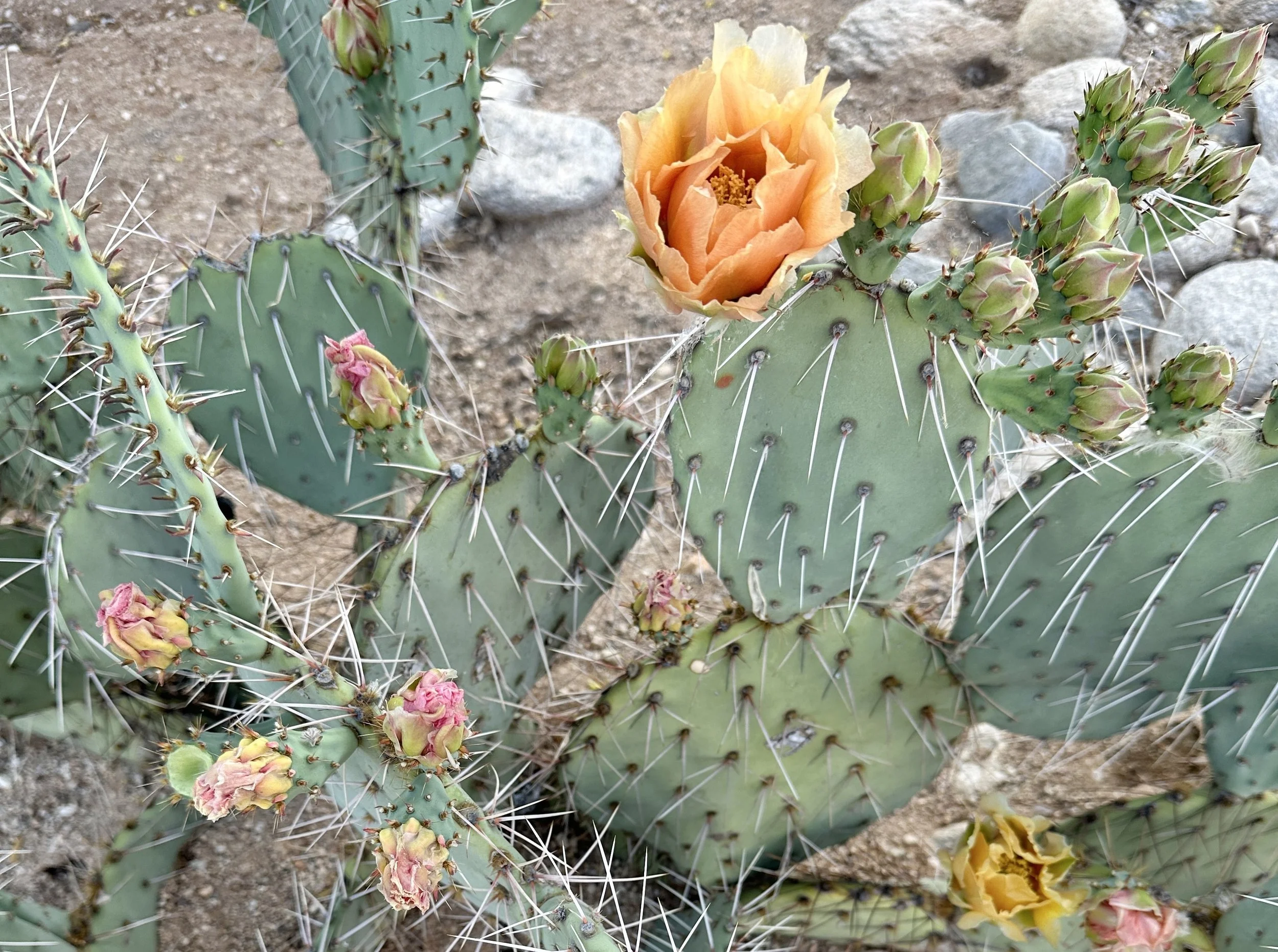
Saguaros might get top billing, but they’re only the beginning. The Sonoran Desert around Tucson is packed with saguaros, palo verdes, mesquites, ocotillos, chollas, hummingbirds, lizards, roadrunners, javelina, and plenty of other plants and animals adapted to life here.
Visitors don’t need to be afraid of the desert, but they should respect it: enjoy wildlife from a distance, stay aware when on trails, and leave plants, animals and their habitats undisturbed.
4. It’s More Than Just Tacos
You should absolutely eat the tacos. But Tucson’s food story goes much deeper than “good Mexican food.” In 2015, Tucson became the first UNESCO City of Gastronomy in the United States, a designation connected to thousands of years of food traditions, agriculture, cultural exchange and local ingredients.
Come hungry and leave room in the itinerary for Sonoran Mexican food, Indigenous food traditions, bakeries, local coffee shops, Sonoran hot dogs, and the restaurants putting their own spin on Tucson’s culinary history.
5. Schedule by the SUN, Not by the Clock
A perfectly reasonable vacation itinerary somewhere else can become a terrible Tucson itinerary when you plan a hike in the middle of a summer afternoon.
Especially during the warmer months, plan strenuous outdoor activities for earlier in the day, saving indoor attractions and leisurely meals for the hottest hours, then head back outside for golden hour and sunset. Tucson rewards travelers who work with the desert instead of trying to impose a normal vacation schedule on it.
6. Respect the Monsoon
A summer thunderstorm in the desert is not necessarily a gentle rainy afternoon. Monsoon storms can bring intense rain, lightning, strong winds and rapidly rising water in washes and low-lying areas. Flash flooding can occur downstream when the storm itself is miles away. Tucson’s National Weather Service specifically warns against entering flooded roadways and washes.
If you’re visiting during monsoon season which is typically between early July to early September, keep an eye on the forecast, be flexible with outdoor plans, and never drive around a barricade or into a flooded roadway, even if the water looks shallow.
The storms can also be spectacular, transforming the sky and sending water rushing through normally dry washes—but those dramatic views are best enjoyed from a safe distance.
7. Surprise! You Might Need a Jacket
Tucson may be famous for sunshine and warm weather, but desert temperatures can change quickly once the sun goes down. Even after a warm afternoon, evening temperatures can drop significantly, and a 20–30°F difference between daytime highs and nighttime lows is common throughout much of the year.
That means shorts-and-sunscreen weather during the day can easily turn into light-jacket weather after sunset. A sweater or extra layer is worth keeping handy for evening patio dinners, sunset watching, and nights spent outside enjoying the desert.
8. Saguaro National Park Has Two Sides — and They Are NOT Next Door to Each Other
Here’s an easy first-timer mistake: searching for Saguaro National Park and assuming there is one entrance.
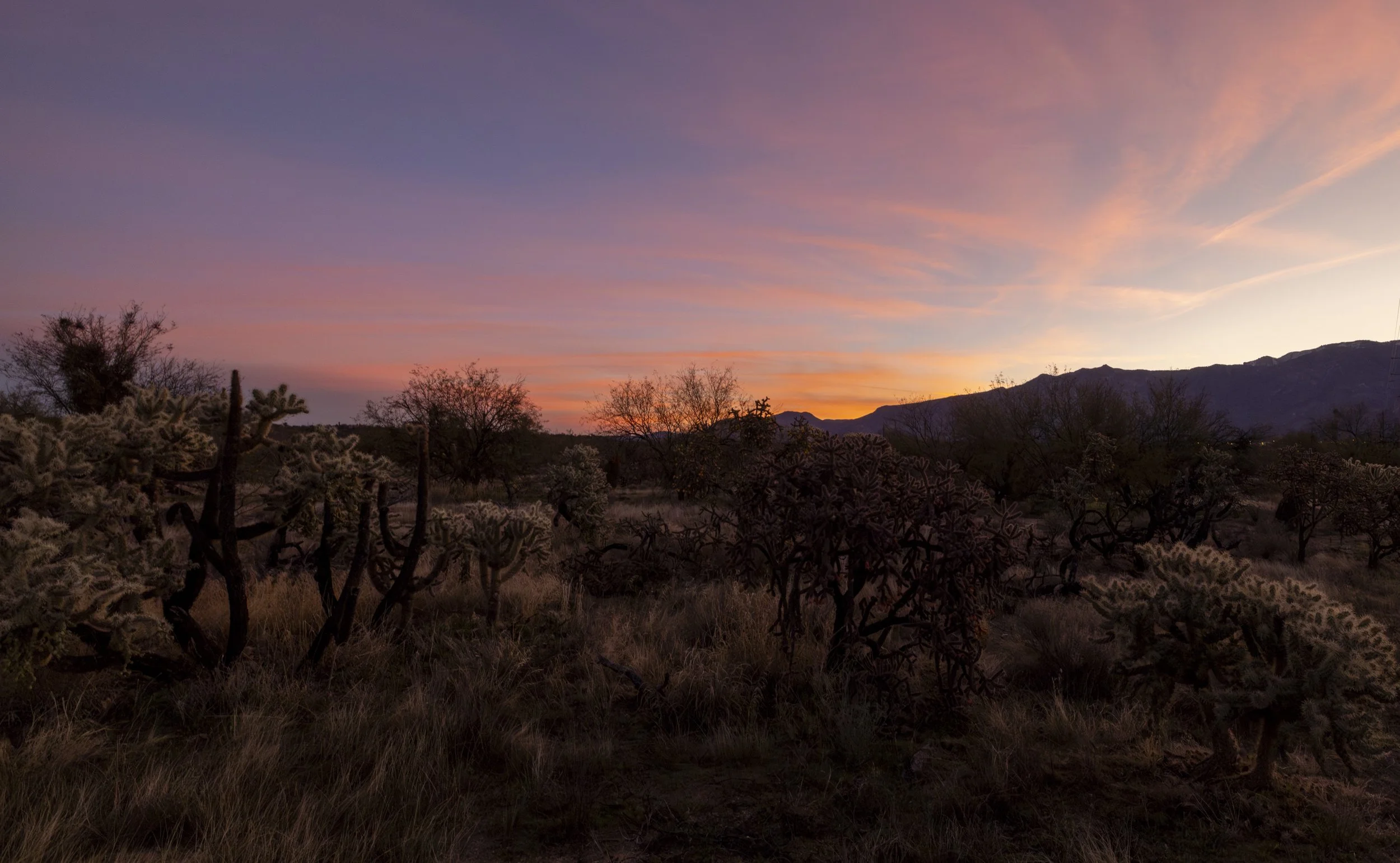
The park actually has two separate districts with the entire city of Tucson between them. Saguaro West, officially the Tucson Mountain District, sits west of the city; Saguaro East, officially the Rincon Mountain District, sits east of the city. The drive is approximately 30 miles (45–60 minutes) between the two.
Both are worth the visit, but knowing where you’re headed before you go will smooth out your itinerary and limit last-minute scrambling. The National Parks Service recommends putting in the physical address of your destination rather than searching for “Saguaro National Park.”
9. Tucson Rewards Travelers Who Slow Down
There’s plenty to “do” in Tucson, but visitors should leave time for slow travel. The city’s charm lives in meandering through neighborhoods, spotting murals, browsing local shops, sitting on a patio, discovering a coffee shop, watching the mountains change color, or stopping for a local treat.
Hiking is only one version of a Tucson vacation. Museums, public art, historic neighborhoods, shopping, food, live music and seasonal events are all part of the city. Check what’s happening during your visit before finalizing your itinerary—you might discover something worth rearranging a day for.
10. Where You Stay Matters
Because Tucson is so spread out, choosing the right home base can shape the entire trip. Staying near the places you plan to explore means less time crossing town and more time hiking the trails, catching the sunset, or lingering over dessert.
Vacay in Tucson offers thoughtfully designed vacation rentals throughout Northwest Tucson and the Catalina Foothills, with easy access to Oro Valley, Marana, hiking, dining, shopping, and seriously beautiful mountain views. With spacious interiors, relaxing outdoor spaces, and high-quality amenities, our homes are designed to give you a comfortable place to recharge between adventures—and plenty of reasons to enjoy staying in, too.
Make Tucson feel a little more like home. Explore our vacation rentals and find your perfect desert stay.

Casa Palma, a 4 bedroom, 2 bathroom vacation home in NW Tucson